Skin Barrier Repair: How to Recognize a Damaged Moisture Barrier and Rebuild It for Winter
Tightness, stinging and sudden redness are signs of a damaged skin barrier. How to strip back actives and rebuild with ceramides, panthenol and madecassoside.
A damaged skin barrier announces itself clearly: skin feels tight after cleansing, stings when you apply products that never stung before, and turns red or flaky for no obvious reason. The fix is equally clear — pause the exfoliating acids and retinol, simplify to a gentle routine, and rebuild with the three repair ingredients Korean skincare does best: ceramides, panthenol and madecassoside. Most barriers recover visibly within two to four weeks of this reset, and autumn, when summer air conditioning gives way to dry indoor heating, is exactly when yours is most likely to need it.
- •The moisture barrier is the skin's outermost layer — cells held together by lipids, about a third of which are ceramides.
- •Warning signs of damage: tightness after cleansing, stinging from familiar products, sudden redness and flaking.
- •The repair trio: ceramides rebuild the lipid mortar, panthenol calms and hydrates, madecassoside supports recovery.
- •Over-exfoliation is the most common cause of barrier damage — acids and retinol should pause during repair.
- •A stripped-back repair routine shows results in two to four weeks; reintroduce actives one at a time afterwards.
What the moisture barrier actually is
The barrier is not a marketing metaphor — it is the stratum corneum, the outermost layer of skin, usually described as bricks and mortar. The bricks are flattened skin cells; the mortar is a precise blend of lipids, roughly a third of it ceramides, alongside cholesterol and fatty acids. When the mortar is intact, water stays in and irritants stay out. When it thins — from over-cleansing, too many acids, dry air or plain cold wind — water escapes, nerve endings sit closer to the surface, and suddenly everything stings. That is why a damaged barrier makes even good products feel aggressive: the problem is the wall, not the visitor.
An Israeli autumn is gentler than a European one, but it is harder on skin than it looks. Months of summer air conditioning have already been quietly dehydrating it; now come sharp swings between warm days and cool evenings, drier air, and soon the first heating — which strips indoor humidity just as effectively as any radiator in Berlin. Skin that sailed through August starts feeling tight in October. This is the season to shift your routine from lightweight summer gels toward barrier-first formulas, before winter makes the cracks visible.
The repair kit: ceramides first
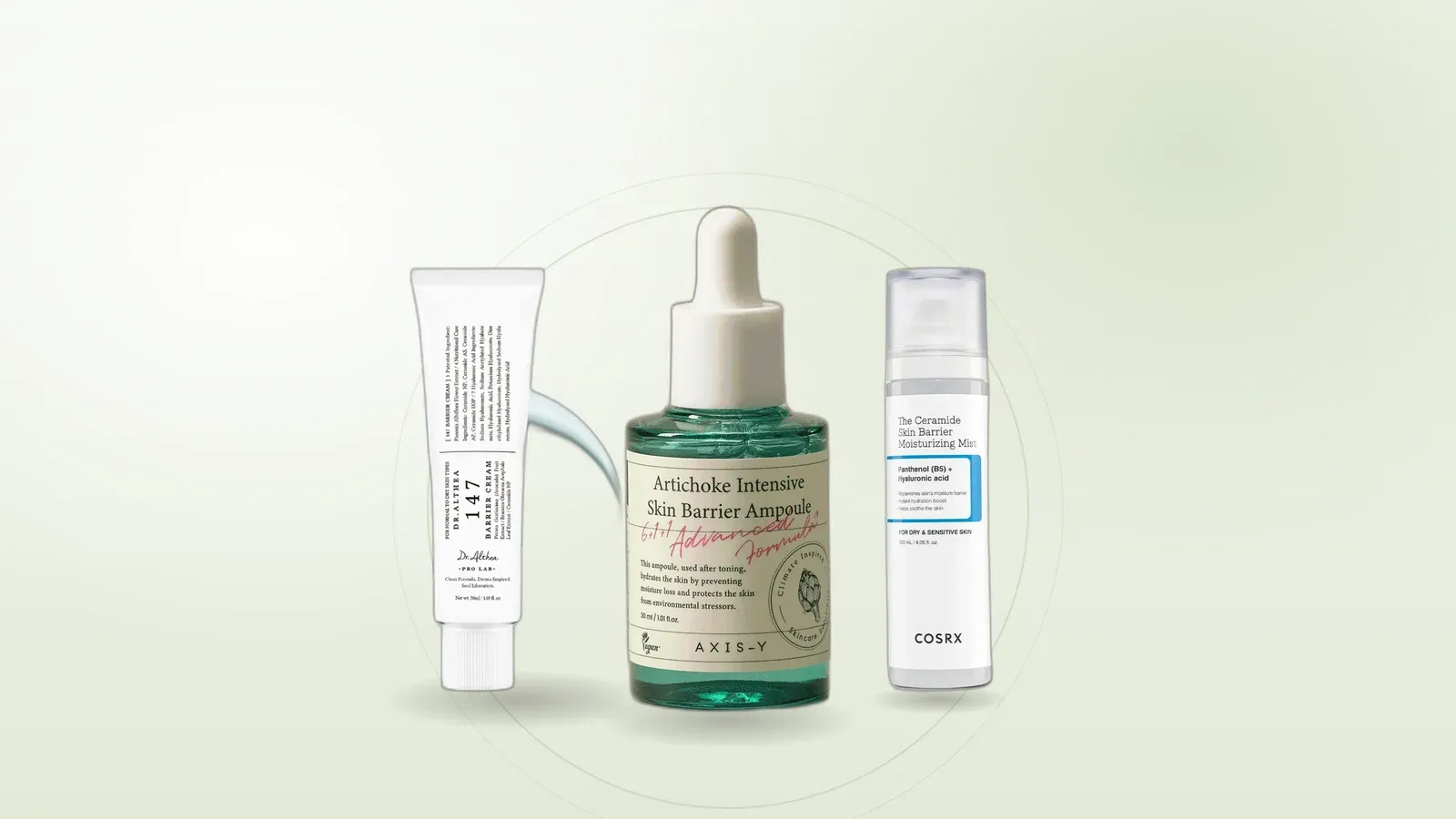
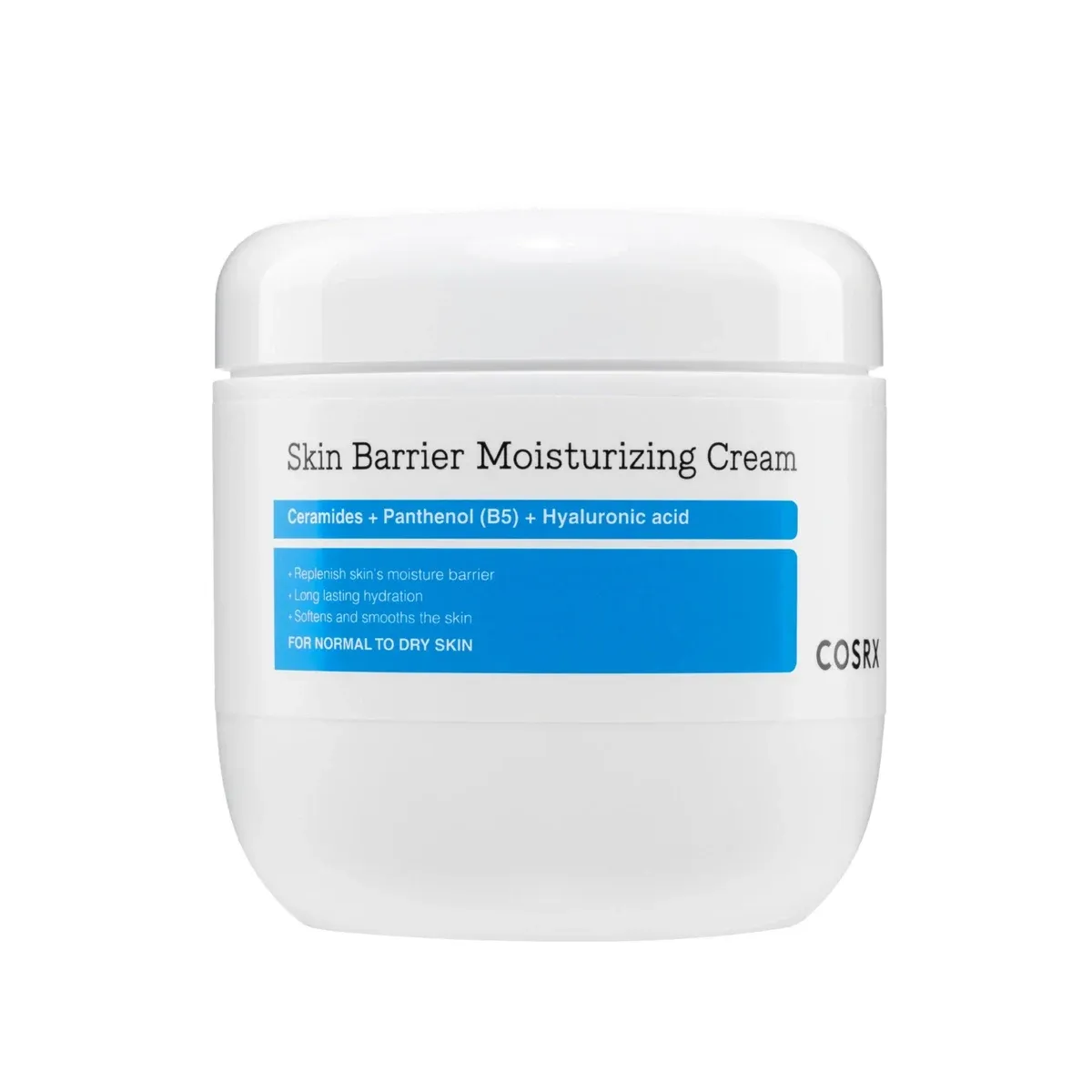
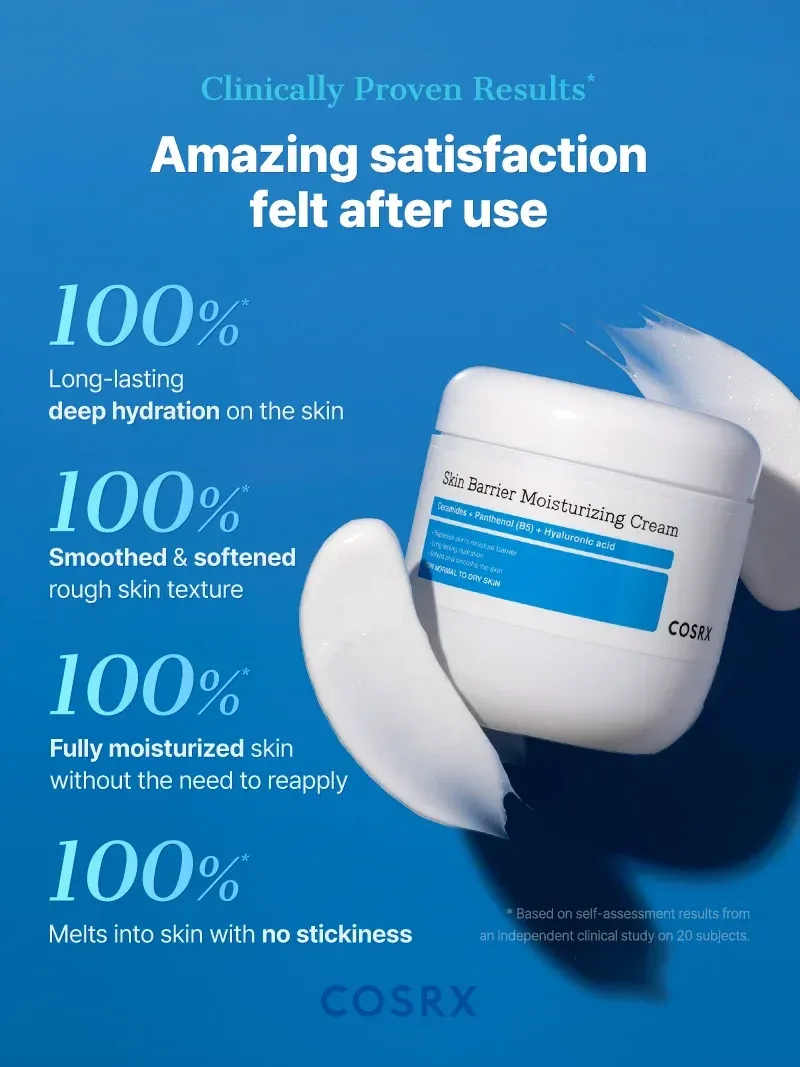
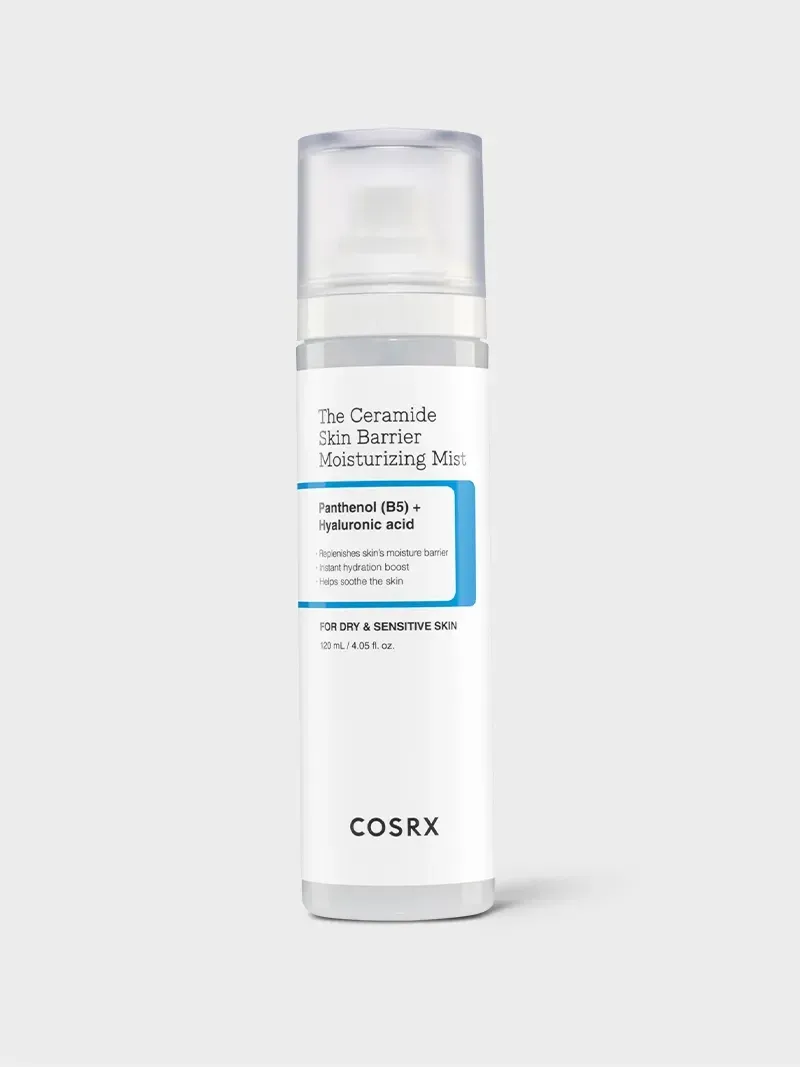
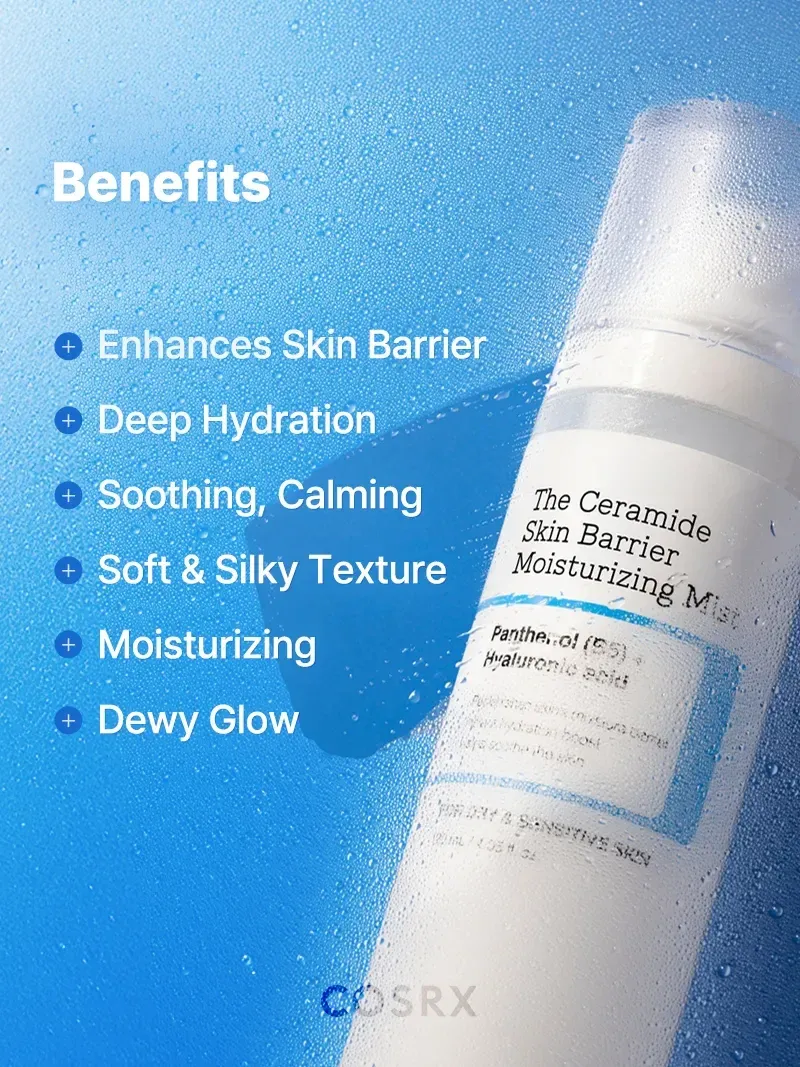
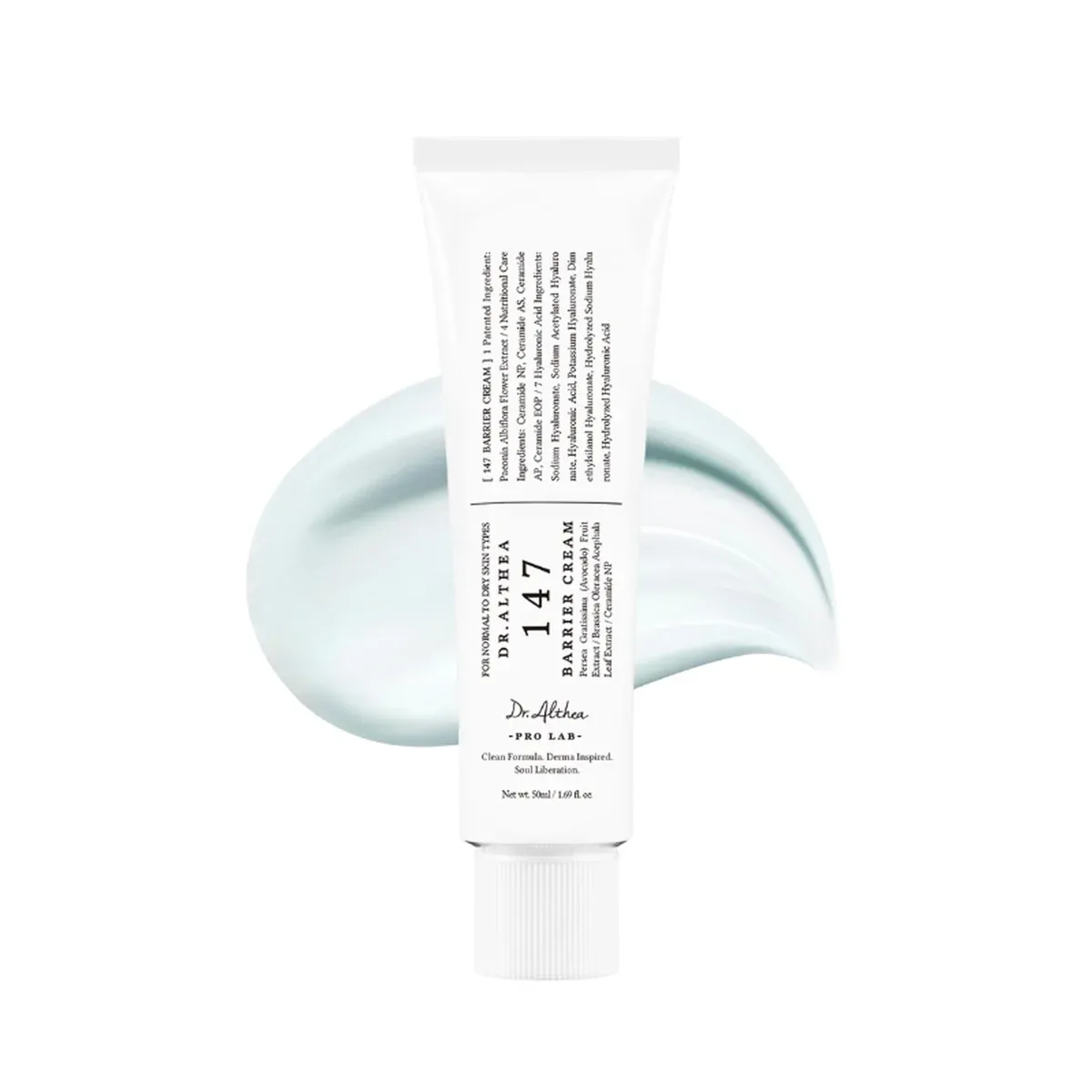
Since ceramides are what a weakened barrier has lost, replacing them directly is the shortest road back. COSRX built an entire line around this idea: The Ceramide Skin Barrier Moisturizing Cream pairs a high-ceramide complex with panthenol in a rich but non-greasy texture made for compromised skin, and The Ceramide Skin Barrier Moisturizing Mist delivers the same logic as a midday layer you can spray over makeup when heated office air starts pulling at your cheeks. Dr.Althea's 147 Barrier Cream takes the classic ceramide-cholesterol-fatty-acid ratio and wraps it in a cushiony cream that sensitive skin tends to accept from the first night. All three are available in Israel at Skin101.
Shop this article

Panthenol and madecassoside: the calming wing
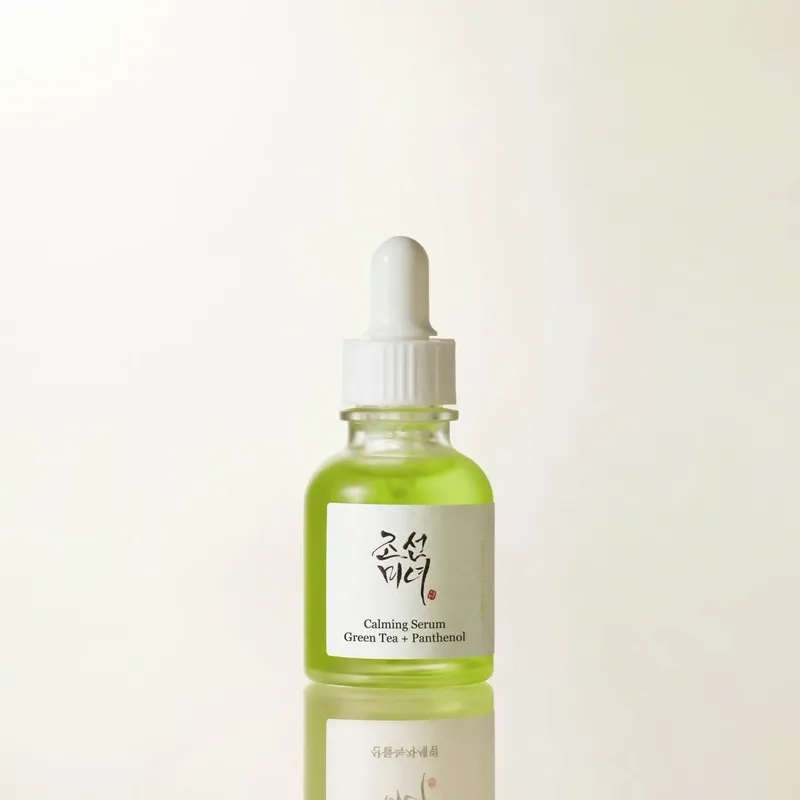
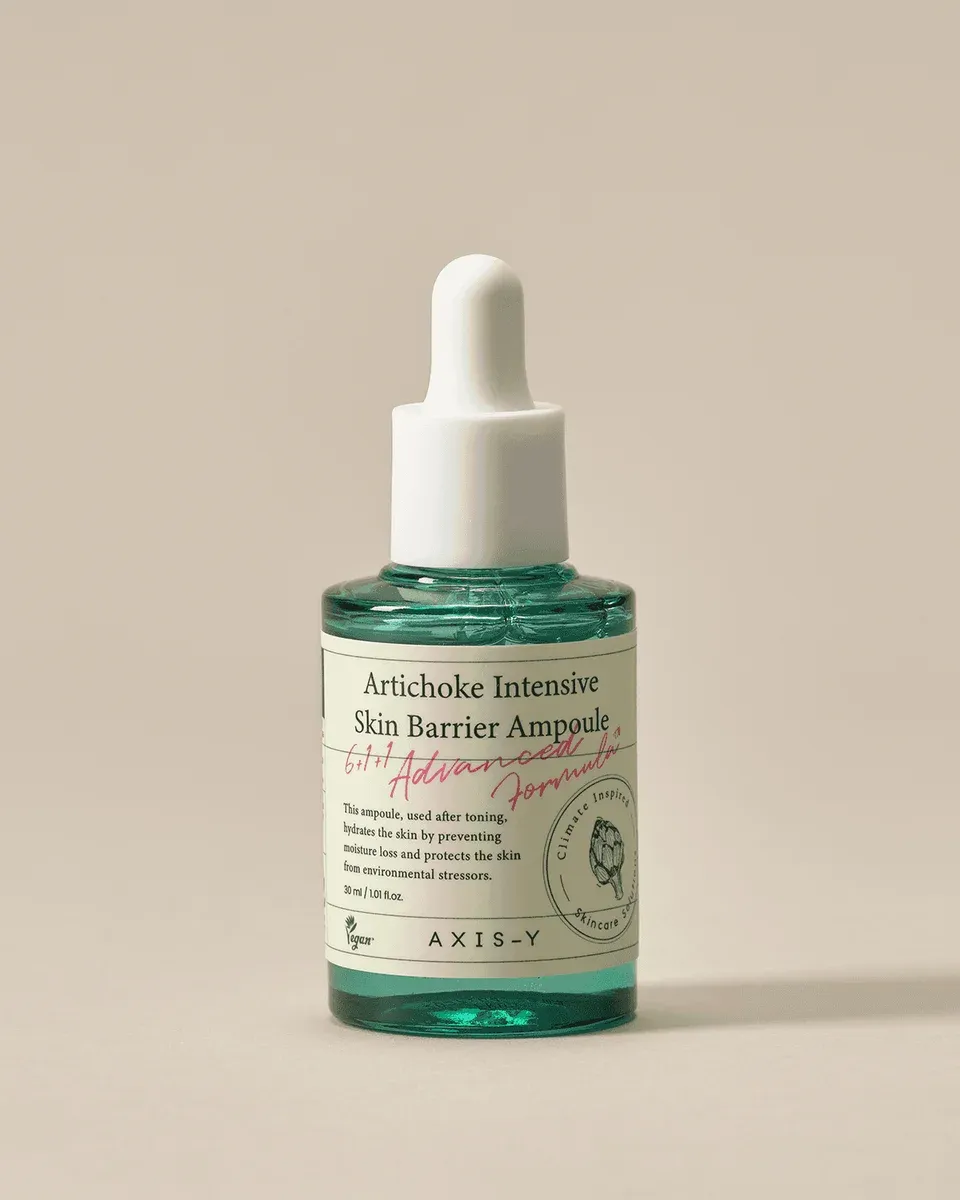
While ceramides rebuild the wall, panthenol and madecassoside keep the site quiet. Panthenol — provitamin B5 — is a humectant with a long record in soothing care, and Beauty of Joseon's Calming Serum pairs it with green tea in a watery layer that slots in wherever your serum step used to be. Madecassoside, the star molecule isolated from centella asiatica, is K-beauty's signature recovery ingredient; Axis-Y's Artichoke Intensive Skin Barrier Ampoule builds it into a barrier-dedicated formula alongside artichoke extract. Either one replaces your usual actives during the repair window, so skin gets treatment without provocation.
Shop this article

The four-week reset, step by step
Repair means subtraction before addition. Pause every exfoliating acid, retinol and high-strength vitamin C — over-exfoliation is the most common way barriers break in the first place. Keep a routine of four things only: a gentle low-pH cleanser, a hydrating toner or calming serum, a ceramide cream, and SPF50 in the morning, which matters year-round because healing skin is extra vulnerable to UV. Wash with lukewarm water, skip scrubs and cleansing brushes, and resist the urge to test new products mid-recovery. After two to four calm weeks, reintroduce actives one at a time, starting at twice a week — if the old sting returns, the barrier is telling you it needs more time.
Original or fake? How to tell before you buy
The K-beauty boom has a side effect: online marketplaces are full of counterfeit and grey-market products — lookalikes that may be expired, diluted or stored for months in a hot warehouse. Skin101 works with the brands' official importer in Israel, and every product we ship carries the importer's stamp and the official usage instructions on its packaging. That small label is your guarantee of the real formula; if it's missing, you're not buying the original.
Frequently Asked Questions
How do I know if my skin barrier is damaged?+
The classic signs are tightness after cleansing, stinging or burning from products that used to feel fine, sudden redness, rough or flaky patches, and skin that gets oily and dehydrated at the same time. If familiar products suddenly sting, suspect the barrier before blaming the products.
How long does it take to repair a damaged skin barrier?+
Most mildly damaged barriers improve noticeably within two to four weeks of a stripped-back routine — gentle cleanser, hydrating layer, ceramide cream and daily SPF, with all exfoliants and retinol paused. Severe, long-standing damage can take longer; persistent redness or pain belongs with a dermatologist.
What ingredients repair the skin barrier fastest?+
Ceramides are the most direct repair ingredient, since they replace the lipids a damaged barrier has lost — ideally alongside cholesterol and fatty acids, as in Dr.Althea's 147 Barrier Cream or COSRX's Ceramide line. Panthenol adds soothing hydration, and madecassoside from centella asiatica supports the recovery process.
Should I stop retinol if my skin barrier is damaged?+
Yes — pause retinol and all exfoliating acids until the barrier recovers, usually two to four weeks. Continuing actives on a compromised barrier deepens the irritation cycle. Reintroduce retinol afterwards at twice a week, buffered with moisturizer, and build up slowly.
Why order from SKIN101?
Fast local delivery
Ships locally within Israel — up to 4 business days, usually 1–2. No overseas shipping waits, no customs risk.
Final prices, no surprises
International sites add 18% VAT plus clearance fees at the border on orders above ~₪250. Our prices already include everything — what you see is what you pay.
Originals from the official importer
Every product comes through the official importer and carries the Health Ministry approval sticker — unlike the many fakes and gray-market parallels sold without it.
Sales, coupons & gifts
Sales and coupon deals run all the time, and most orders include free gifts and testers that you pick yourself at checkout. Every order also earns 5–7% Skin101 Credit toward your next one.